

Performance Prep for Musicians: 5 Keys to Confidence and Clarity on Stage
A “How To” for Musicians Who Want to Feel Ready and Expressive On Stage Great performances begin long before you

If you take your string playing seriously, then we know how hard you work to find and maintain your best sound. And, your very best sound will come down, in part, to your strings.
Old strings can cause all sorts of problems during practice time or performances. They’re more likely to squeak, crack, have a delayed response, and even make you sound very out of tune (even when your fingers are correct!).
Finding a good brand, and taking steps to care for the strings you choose, can give you your best sound for many a practice day.
And strings aren’t cheap, so getting the most out of them can be great for your budget!
That’s why we’ve put together 5 essential tips for you (and all our fellow string players) to find and maintain your favorite strings. That way you don’t have to break the bank guessing and replacing, and spend more time making music you love.
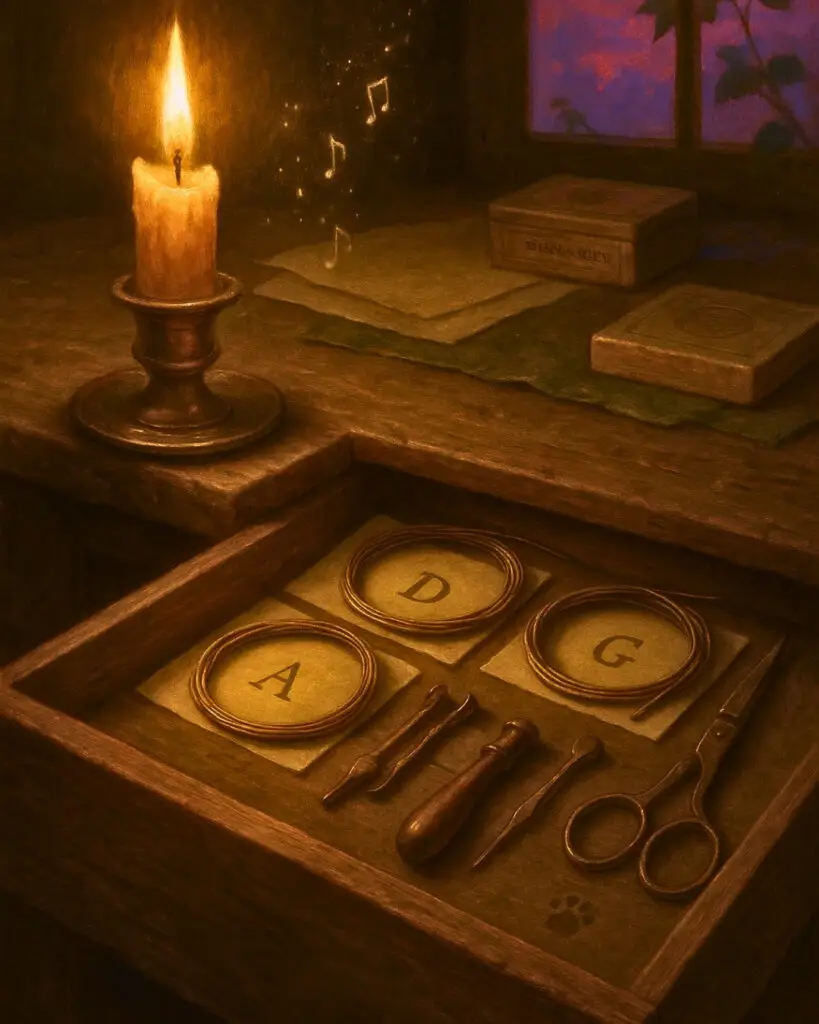
This will take a bit of experimenting because you’ll need to try a few different varieties of strings to see which suit your instrument and preference best. Some strings are brighter, warmer, have better projection, etc…
Finding the brand that will highlight your instrument’s strengths – or offset weaknesses – will take time.
It’s a good idea to have a plan and take notes on your experience with each set, so you remember how the strings sounded at their best. It could be months before you change them again, so you might not remember some important details. ✒️📜
🎯Good things to record in a journal:
🪶How was the string set’s projection and resonance?
🪶Did the strings make your instrument sound brighter or warmer? (also note if the qualities were too extreme or perfectly balanced according to your preference)
🪶Did they have a good response time when broken in?
🪶How long did the strings last before going false or unwinding? Note specifically by string – some strings will vary. E string might go false quickly, or A string might unwind faster…
🪶How long did the strings sound their best? This is hard to pin down exactly, since it will decline gradually, but you might notice a point when the strings are clearly slower to speak or seem less resonant/quieter.
🔥Pro Tip: Before you purchase any set, find out what attributes the strings are designed to have. If you have already decided that you need a bright quality, you can avoid purchasing strings known for being warmer.

Gripping the violin or viola by the neck is a common way to hold your instrument. If you take note, you’ll probably find yourself doing just this during orchestra while waiting your turn to play. 👀
🚫You should absolutely avoid doing this.
As much as possible, keep your hands away from the strings when you aren’t playing.
The number one biggest factor in a declining string (unwinding, going false, or any other loss of quality) is largely caused by sweat and oils from you hands. The more you sit gripping those strings, the quicker you’ll need to shell out for a new set.
Contact from playing + sweat on your strings is obviously a given, but sitting and holding those strings during long orchestra rehearsals will wreak havoc on your strings and it’s totally avoidable.
Follow this tip and your sound and wallet will thank you. 💰
🔥Pro Tip: If you have a hard time remembering to hold your instrument while avoiding unnecessary string contact, bring an instrument cloth to drape around the neck.
It will serve as a reminder and protection. You can also use it to wipe the strings down at the end of rehearsal – which will also help increase string life.
If you have ever changed your strings before, you probably know not to remove the strings all at once.
Maybe you even found out the hard way! 😦
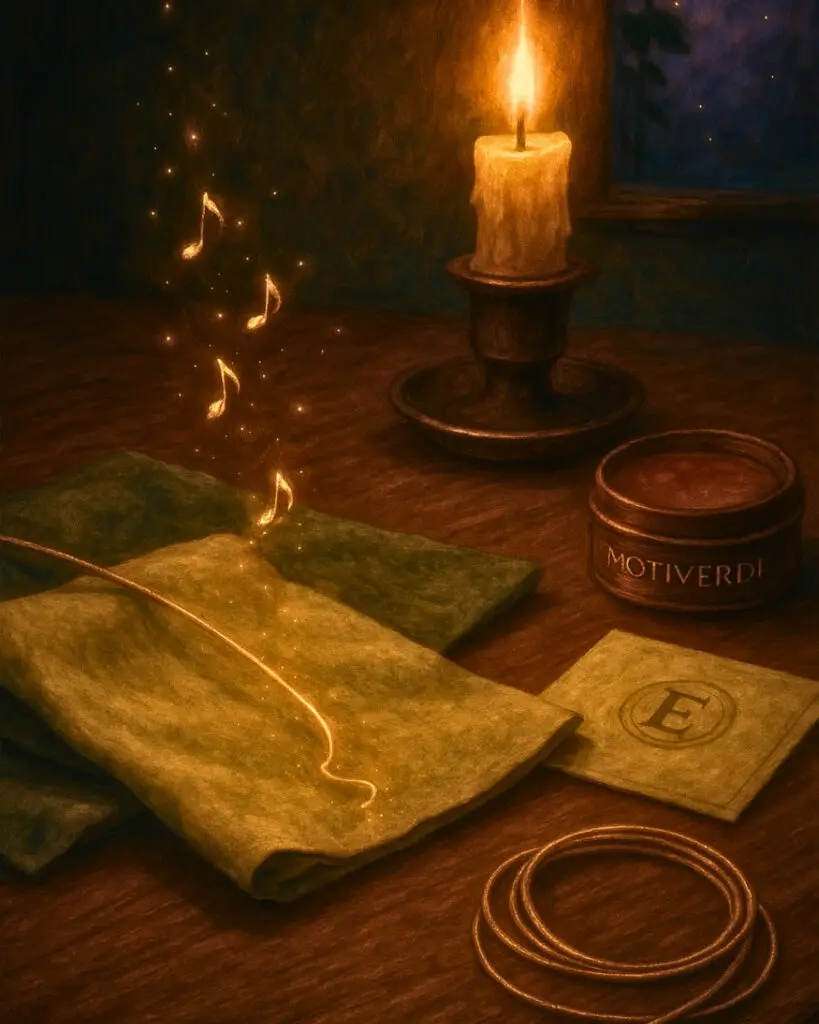
But did you know that it’s actually best to remove 2 at a time rather than 1? Replacing middle 2 and outer 2 in sets will help preserve bridge placement. We learned this trick from our luthier (violin, viola, cello maker/repairer).
And the precise placement of your bridge has a huge impact on the sound of your instrument. 🔥 If you want your instrument the sing at its best, this tip will be an important one to follow.
This is a crucial but sometimes overlooked step when changing strings. But if you want to keep your daily tuning experience smooth, then don’t skip the peg lubricant!
This is especially true for violinists and violists, who often need to use their pegs at least once a day to tune.
Even if you have fine tuners, it’s not always possible to use them when your instrument has gone very out of tune. If you haven’t properly prepared your pegs while changing strings, you could find yourself in a tricky spot.
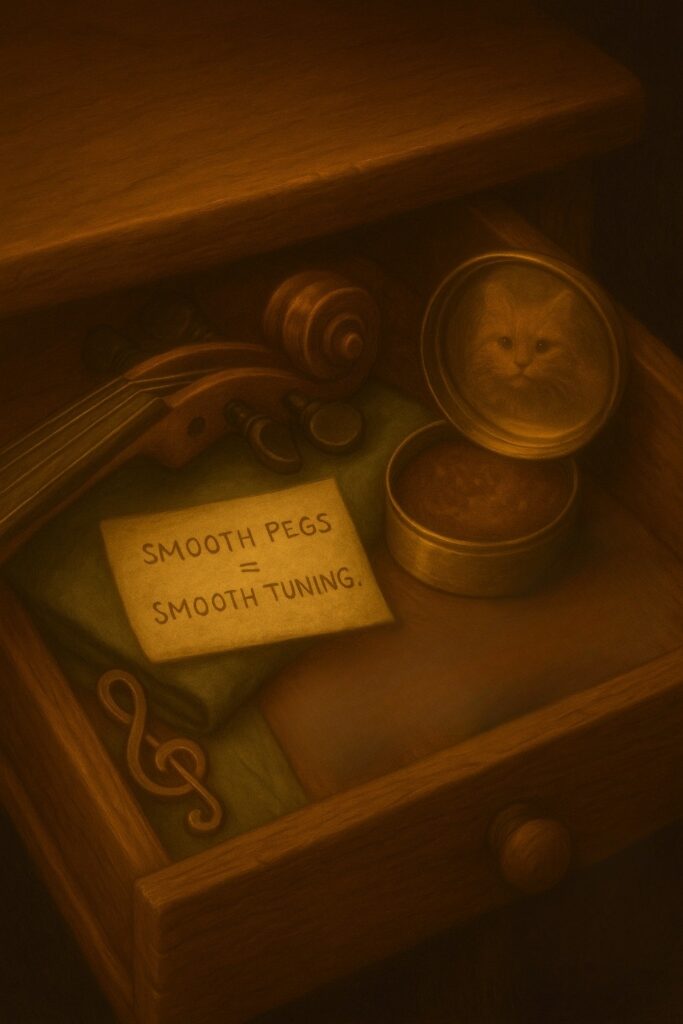
So, before slipping on those strings, add a little peg puddy or – our preference – use a bit of graphite from a pencil. ✏️ Just remove the peg from the peg box and draw all along the area that fits inside. Get it good and covered for best results.
This is another top secret trick we learned from our luthier. 🤫 If your strings have started to get a little less vibrant, and you think it’s time for a change – try this expert tip first:
Take a small amount of ultra fine grit Steel Wool (#0000grit), you can rub down the string lightly – it will remove impurities that build up and restore the clarity and sound of the string.
Remember, be gentle and do not touch your varnish with the steel wool.
It’s very important to get the correct kind of steel wool for it to work properly. You don’t want to end up causing damage. But if you get the right grade (#0000grit), it can restore some life into otherwise spent strings. ✨🪄
🔥This is a pretty cool trick that can save you a bit more money while keeping your sound bright and clear.
Join in the monthly practice challenge on Instagram and commit to doing it daily this month – For this month the challenge is simple: Wipe your strings down after each practice session or commit to keeping your hands off of your strings while resting.
Head over to Instagram and let us know in the comments or tag your journey using:
#DuoHansenPracticePath
Or join our mailing list for practice quests, updates, and weekly practice inspiration.
🔥Visit the Store to download tools, explore bundles, and join our musical world.
You’ll find tips, sheet music, and a growing community of players who have joined the Quest to #PlayTheLegend.
1. How often should I change my violin, viola, or cello strings?
Cello strings generally last quite a bit longer than violin and viola strings. Speaking generally, most players change strings every 3–12 months depending on how often they play.
Heavy practicers may need new strings every 1–2 months for a violin, while casual players can often go longer if the tone remains stable.
2. What are the signs that strings need to be replaced?
Look for fraying, unwinding near the bridge, dull or fuzzy tone, slower response, or difficulty staying in tune. These are clear signals that the strings are past their prime. You might also hear a wavering sound when you play an open string.
Maybe it warbles, or rings higher after you lift your bow. You can also test your harmonics: do your open strings sound in tune together, but sound out of tune when playing your two strings as harmonics? This means they are false (or you need to check your bridge).
3. Can I mix different brands or types of strings?
Yes! Many professionals mix brands to balance tone and response across the instrument. Just keep notes on what combinations work best for your sound.
4. How can I make my strings last longer?
Wipe them down after every session, avoid gripping the neck when resting, and keep your instrument in a stable humidity environment. A little care goes a long way toward longer-lasting tone.
5. Should I change all my strings at once or one at a time?
Always replace them in pairs (two at a time) to maintain bridge stability and tension balance. Never remove all four at once.
6. What’s the best way to clean strings safely?
Use a dry, soft cloth for daily cleaning. For occasional deep cleaning, gently polish with ultra-fine #0000 steel wool to remove rosin buildup, impurities, and corrosion – just be careful not to touch the instrument’s varnish.
You know that great tone doesn’t just appear. It’s cultivated through thoughtful and consistent practice. But now, with some mindful care, you won’t let your strings get in the way of realizing your tone goals ever again!
🧭 Now go forth, find your best strings, and keep them healthy with these 5 tips. You’ll never be able to blame those squeaks on your strings again (you’re welcome and also… we’re sorry). 😉
A “How To” for Musicians Who Want to Feel Ready and Expressive On Stage Great performances begin long before you

The Struggle: Why Note Reading and Sight-Reading Are So Hard for Violin, Viola, and Cello Students The ability to read