

Music Theory for Kids to Improve Sight-Reading for Violin, Viola, and Cello Students
The Struggle: Why Note Reading and Sight-Reading Are So Hard for Violin, Viola, and Cello Students The ability to read


Great performances begin long before you step foot on stage.
Although far from glamorous, they’re more about the many and solitary practice sessions, well planned rehearsals, and even the hours leading up to the stage. Real preparation is about training both body and mind so that when performance day arrives, you’re not just trying to survive “the ordeal”.
If you’ve read enough of our blogs, you know we like to remind all of our students:
“Great lessons and great performances all start with one thing: great practice.’
But there are other steps we can take to prepare our best performances too. So, if you’re preparing for a recital, concert, or competition, practice these five performance tips to help you step onto the stage with more confidence and ease than ever before.

In the final week or so before a performance, it’s tempting to “play through” your music repeatedly. But even a fully polished piece will begin to decline in the technical details with this approach.
Faster pieces might even get a bit fuzzy in your intellectual memory. Meaning, you might retain decent muscle memory, but your ability to recall the notes intellectually will fade – because playing quickly doesn’t give us time to think.
Instead, split your time with the piece 50/50 between:
🎯Slow, focused practice (refining shifts, intonation, bow control)
🔥Full run-throughs with musical freedom (phrasing, storytelling, stamina)
This combination ensures you’re reinforcing your technique and building interpretive flow and stamina. It’s a helpful reminder for intermediate and advanced string players preparing for solo or duet performances – even professional string players practice in this way leading up to the big event.

On the day of the concert, many musicians make the mistake of over-practicing out of nervous energy. But this can exhaust both your fingers and expression. You don’t want to give your best performance in the practice room and present a dry uninterested version on stage (or possibly worse…start falling apart due to physical fatigue)!
Instead:
🔥Warm up enough to feel physically ready.
🚫Resist the urge to “prove” the piece to yourself again and again.
🎶Trust the work you’ve already done.
🧭Reinforce some of the challenging parts in slow, medium, and fast speeds – gently and in small sections.
Performance day is about sharing the composer’s story with your unique voice, not perfection. You want to bring fresh emotion and energy to the stage; not a bored, worn-out take.

Playing for an audience is a skill of its own, and like any skill, it improves with repetition.
Ask friends or family to sit in for up to 3 mock performances before the real event. Even one or two run-throughs with an audience (no matter how small) will:
Reveal nerves you didn’t expect
Highlight weak spots under pressure
Give you a chance to practice recovering from small mistakes
Mock performances also help reset your mindset: when someone’s listening, your inner performer shows up differently. Train that part of you before the big day.
Cellist and soloist Steven Isserlis shared that he always performs new repertoire in front of small audiences first, knowing this is still part of the learning process.
You may have the technique down. You may have the piece memorized.
But what about the thoughts you’re taking on stage with you come performance day?
Our inner voice shapes how we play.
Take a moment to write down the unhelpful thoughts that tend to pop up – things like:
🚫“I’m not ready.”
🚫“What if I mess up that one part?”
🚫“I always get nervous and shake.”
Then, choose your replacements:
✅“I’ve prepared for this.”
✅“I know this music deeply.”
✅“This is a chance to share something beautiful.”
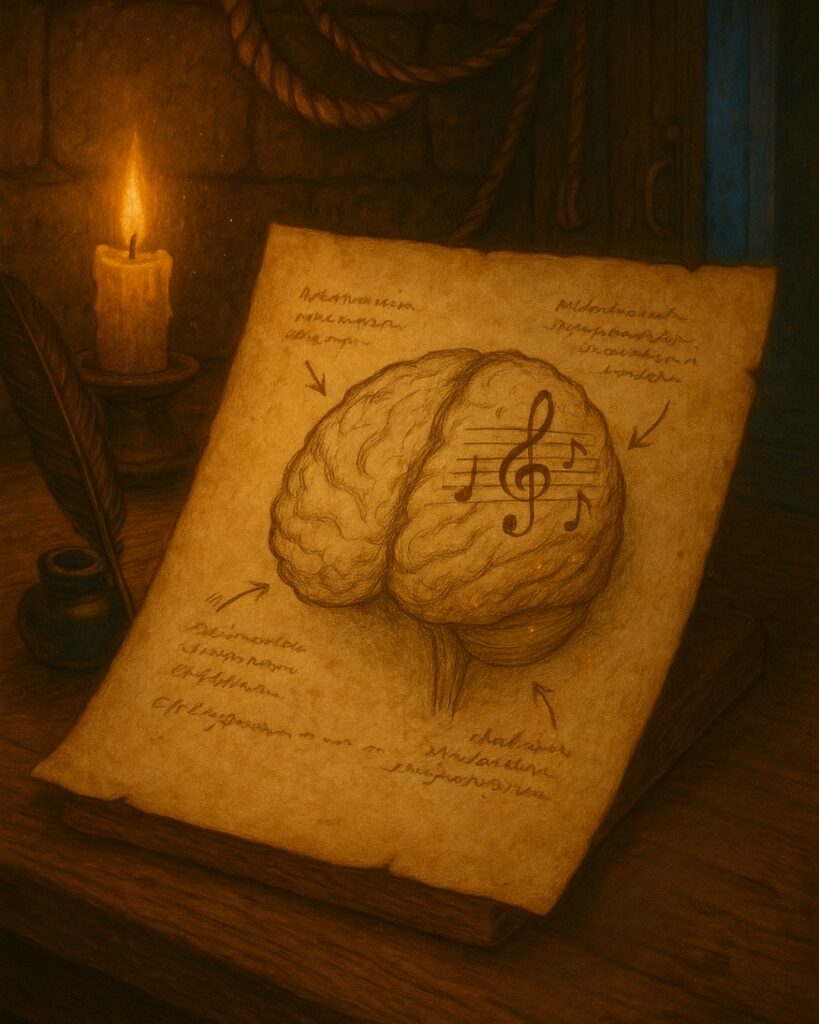
On the day itself, do anything you need to stay out of your head — talk with friends, move around, do activities you enjoy and find relaxing. And once you’re performing?
Experience the music in real-time.
Sing the music inwardly. Focus on the story, not self.
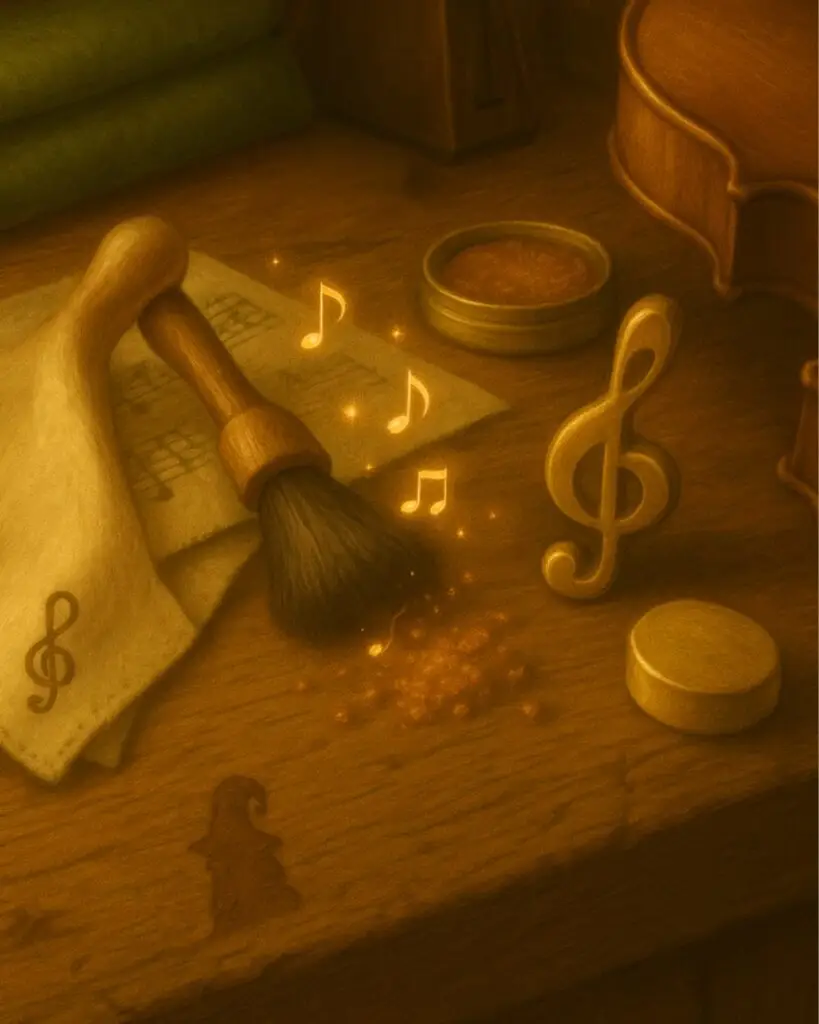
Don’t let slippery bow hairs or false strings sabotage your sound.
Fresh tools matter.
A few weeks before the performance:
Change your strings (give them time to break in – check what your favorite brand recommends)
Rehair your bow if needed
Check shoulder rest, endpin sharpness, and seams.
These little maintenance habits can make the difference between stress and security under the lights. Augustin Hadelich once shared that he changes his strings more often than most – every two weeks!
Otherwise, they tend to squeak or hesitate to speak. Not everyone needs to change so frequently, but it’s good to figure out what works for you.
Join in the monthly practice challenge on Instagram and commit to doing it daily this month – even if you don’t have a performance coming up. These habits form the bedrock of confident musical storytelling.
Head over to Instagram and let us know in the comments or tag your journey using:
#DuoHansenPracticePath
Or join our mailing list for practice quests, updates, and weekly practice inspiration.
🔥Visit the Store to download tools, explore bundles, and join our musical world.
You’ll find tips, sheet music, and a growing community of players who have joined the Quest to #PlayTheLegend.
How far in advance should I start preparing for a performance?
That depends entirely on your level and the difficulty of your piece. Talk with your teacher about any particular piece you have in mind. The earlier you begin learning the technique, mindful run-throughs and mindset prep, the smoother the experience.
I always get nervous — will these tips really help with performance anxiety?
Absolutely! Nervousness is natural, but preparation can work wonders. We need a muscle memory that survives the stage, and also the confidence that comes from being well prepared.
Positive internal dialogue only helps if it’s true.
You can’t convince yourself you know something you don’t (Though oddly, the reverse happens all the time – we convince ourselves we don’t know something we’ve fully mastered. We know. Not fair.)
By combining practical strategies with positive internal dialogue, you’ll feel steadier and more expressive on stage. Small mock performances also make a huge difference.
Are the Scorekeeper’s Sheets free?
One complimentary beginner/intermediate sheet comes with a purchase of a beginner and intermediate bundle (bundles bearing an amber or green seal). The full collection for the beginner/intermediate and our Focused Practice Edition for upper intermediate/advanced are available in our shop.
Do I need to play violin or cello to use these tips?
Not at all! While we specialize in string playing and practice, our practice strategies are tried, true, and traditional – and will work for any musician.
Great performances don’t come from luck. They’re built through smart practice, balanced preparation, and the right mindset on performance day.
With focused technique work, mock run-throughs, refreshed tools, and a steady inner dialogue, you’ll set yourself up for your best performances.
Just like all skills, performing takes practice, so follow these tips consistently, and you’ll begin to feel the difference. Your next performance can be more than just surviving the nerves, it can be a moment of clarity, confidence, and true musical storytelling. 🎶🎻
The Struggle: Why Note Reading and Sight-Reading Are So Hard for Violin, Viola, and Cello Students The ability to read
Finding Your Best Sound: Expert String Care Advice for Violinists, Violists, and Cellists If you take your string playing