Performance Prep for Musicians: 5 Keys to Confidence and Clarity on Stage
A “How To” for Musicians Who Want to Feel Ready and Expressive On Stage Great performances begin long before you
Edvard Grieg’s In the Hall of the Mountain King is one of the most legendary pieces in classical music, and is instantly recognizable for its suspenseful build and impish pulse.
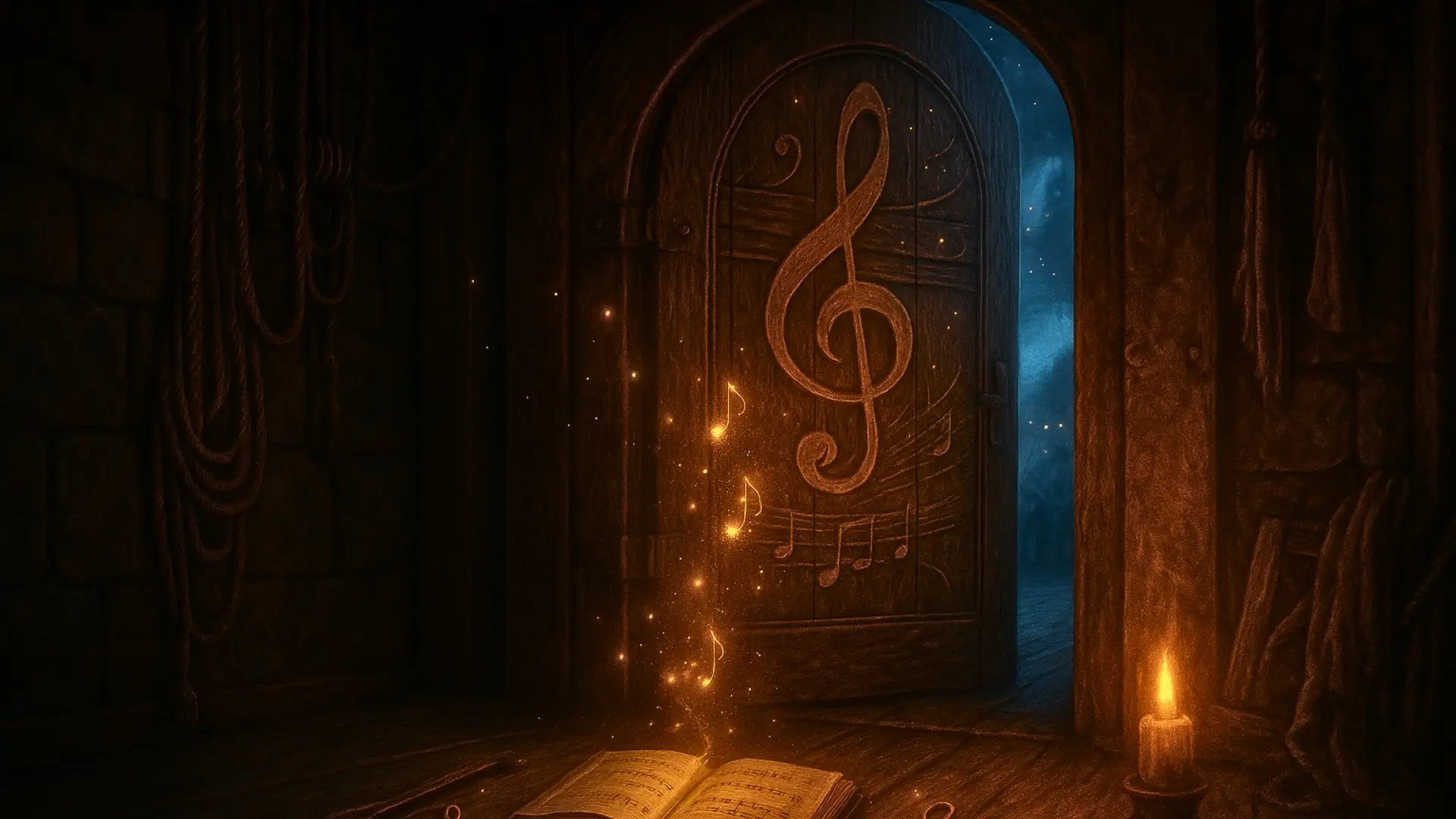
But behind the familiar melody lies a deeper tale rooted in Scandinavian folklore and Norwegian storytelling, which takes place within the shadowy mountain lair of the Troll King.
In this post, we explore the musical narrative, and cultural history within this famous composition, and how you can bring its drama to life when playing it with your orchestra, or performing our intermediate violin and cello duet arrangement.
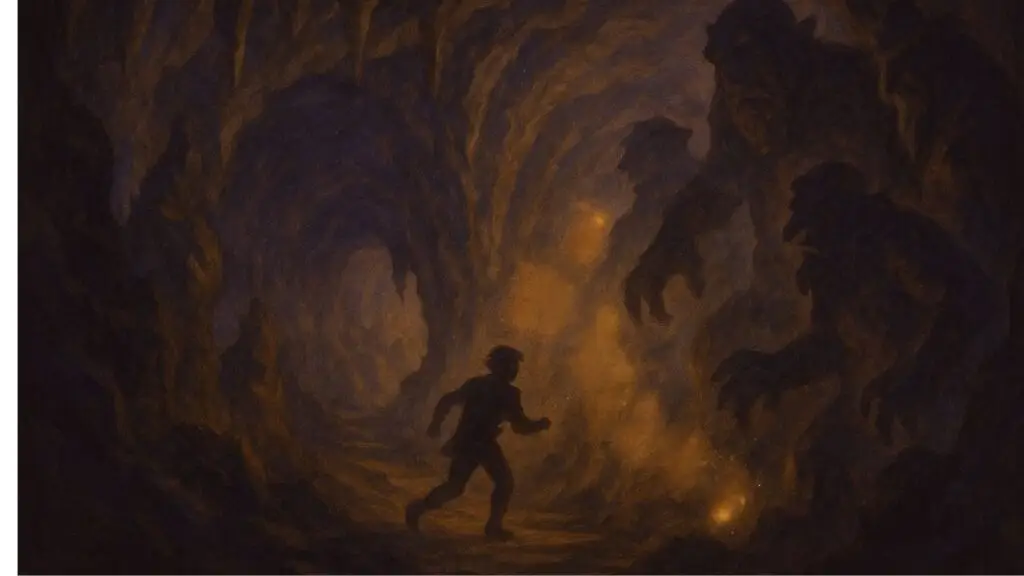
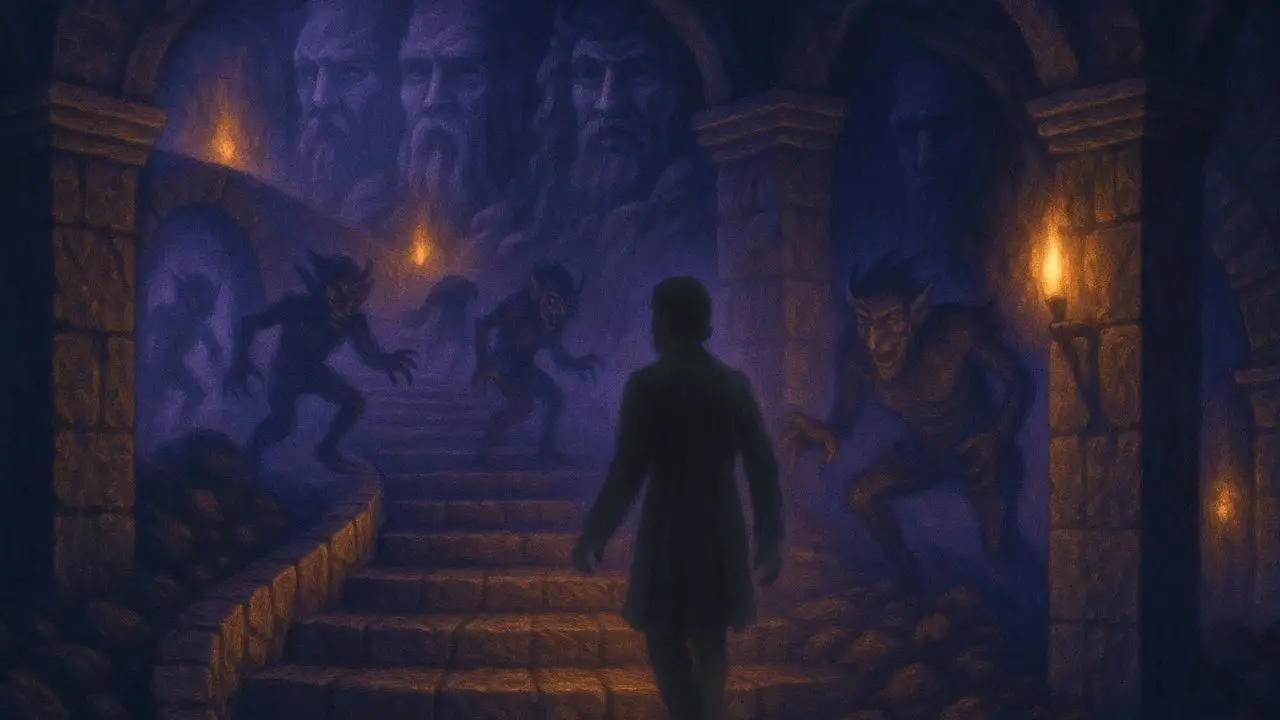
Imagine you’ve descended down a long damp corridor, and have arrived, deep in the hall of the Mountain King. You’ve been lured there with promises of riches and power, but at the cost of your very humanity.
You change your mind, wanting to remain decidedly human, but the trolls have other plans. They originally wanted to eat you as soon as you foolheartedly came to the hall of the Mountain King, but the Troll King was willing to spare you… if you married his daughter.
Now, even the King has turned on you, and, discovering how weak the moral compass of these foul creatures is –
you attempt to escape, but the imps are closing in!
Peer Gynt, is a fascinating and somewhat grotesque play. The title character, Peer, travels to many places, and asks many questions, creating a medium for the author Henrik Ibsen’s philosophical musings.
The scene of the Troll King, which Grieg was commissioned to compose the music for, appears to occur inside Peer’s mind while he’s unconscious (a subtle commentary on the perils of drinking to excess?).
It involves him being drawn into the mountain, lured there by the troll king’s daughter. Peer is intent on marrying her, thus becoming heir to the Troll king’s kingdom.
When he arrives in the presence of the Mountain King, an argument ensues, in which the troll king begins telling Peer what he’ll need to do in order to marry her.
He starts out friendly, but quickly becomes more demanding (have you ever met a troll you could trust?).
Peer initially seems happy to marry the daughter and inherit the kingdom, but ultimately declines, on the grounds that he would have to become a troll to do it! (Imagine eating cow pies the rest of your life).
Comically, he agrees to everything!
He’s totally fine with dressing like a troll, eating like a troll, never seeing the sun, and even wearing a tail! But when he’s told he must lose his eyes, he decides it’s not for him.
He’s then told that, actually, he can’t back out, and isn’t allowed to leave! The scene ends with Peer Gynt covered in imps, calling out to his mother as he presumably dies.
Don’t worry though! (This was a dream, remember?)
Grieg harnesses the power of music wonderfully to enhance the stress of the scene. The iconic In The Hall of The Mountain King begins the scene, and lines from the play such as, “May I hack him on the fingers?” are thrown in during the height of the hysterical ending to the movement.
In the violin and cello arrangement, this mood is created with grace notes, the 2 sixteenths and eighth rhythmic motive over a diminished chord. The chaos created in the short span of time is particularly impressive.
Grieg did have some complaints during the writing process, which he described as slow and frustrating.
Not only did he agonize over getting the exact right sound for the mood of the play, but there was also friction with the theater producing the play.
The theater operators had very specific demands in terms of length, which forced Grieg to cut his music down. This makes sense, because incidental music served as the precursor to our modern film score, as it was woven into the actual play itself, enhancing the emotion of the scenes.
Despite the frustrations, however, Peer Gynt, which Grieg smartly reduced to two orchestral suites, became some of Grieg’s most famous and well loved music.
Grieg employs 4 key musical elements to convey the frantic emotions:
🎶Fast, mordent-like rhythmic figures
🔊Constantly building dynamic
🗝️Using a minor key punctuated with chromatic dissonance
🕒Accelerando (increase in tempo over time)
Listen to the movement with fresh ears, considering these 4 characteristics, and you’ll see (well, hear) what we mean!
Harmonically, In The Hall of The Mountain King is firmly rooted in traditional music theory and harmonic function, but with some added chromatic flair.
The movement is in B minor (a key we maintained in our Violin and Cello version), but hints at C# and C major in the descending melodic motive, strongly suggesting a descent into the heart of the mountain.
It’s a great example of romantic era harmony, but still rustic, as though trolls living in a mountain could be making the music.
The repetition of the main phrase, which occurs 3 times in a row, and is internally quite repetitive itself, creates a feeling of moving, but not getting anywhere (imagine travelling down a long straight corridor, dimly lit and claustrophobia inducing).
However, the increase in dynamic throughout, along with the increase in instrumentation and a thicker texture, adds to the foreboding sense of dread and a feeling that there’s no going back.
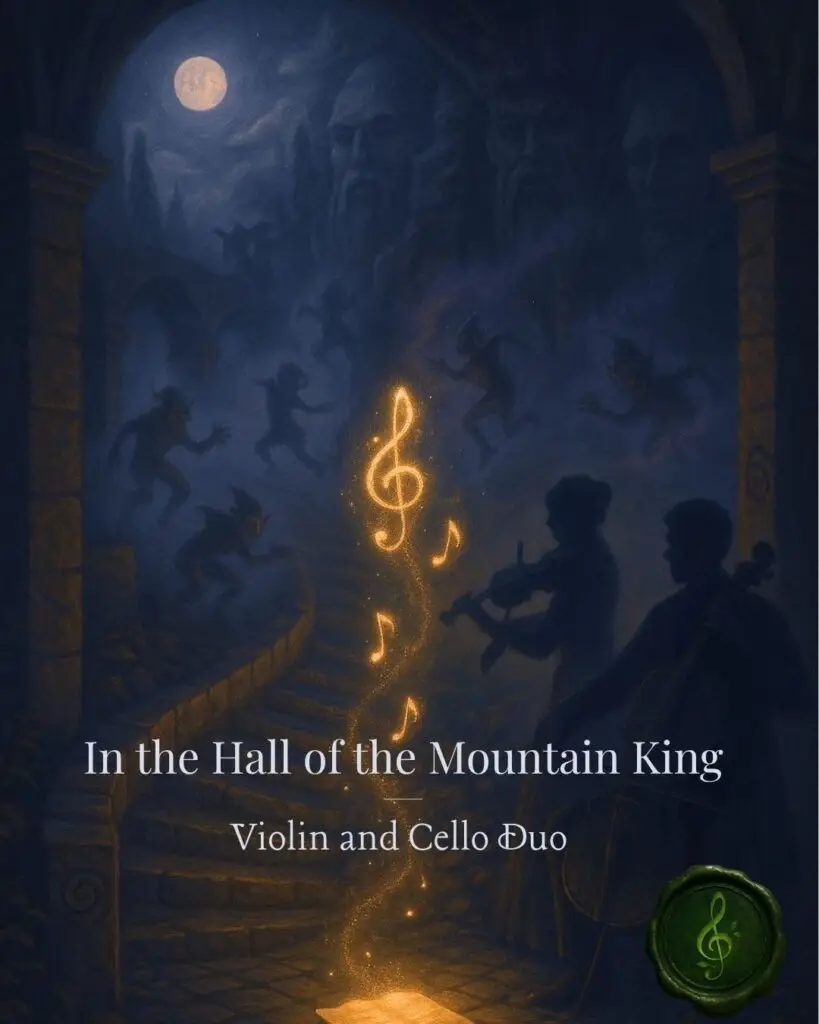
Remarkably, Grieg relies on tone colors from the orchestra for variety more than he does thick harmony. Nearly every harmonically important note can be played just by a violin and cello duet.
For our violin and cello duet arrangement, it only made sense for us to have the cello begin with the quiet pizzicato theme, as that is exactly what Grieg wrote.
Bassoons play a simple bassline, which we also maintained by pizz on the cello. The violinist comes in doubling the cello for a thicker sound later on, but still maintaining the quiet, creepy mood.
When it came to balance, there wasn’t much trouble. We love pieces written by really great composers, because they almost always fit well on violin and cello. String duos have the natural benefit of having a bass and treble range, making matching the most common ranges pretty easy.
The greatest advantage to playing In The Hall of The Mountain King on violin and cello is the ability to respond easily to each other’s musical cues. In orchestral playing, the conductor is simply in charge, just like a pianist in solo pieces, but when you are part of a duo, there is constant communication, creating a truly satisfying experience for the players and the listeners.
Grieg’s music can have an otherworldly quality, and he does a wonderful job in this exciting movement.
His simple yet original harmonic structure creates a captivating mood, and it’s a joy to be able to explore it in a challenging but playable intermediate arrangement.
Want to experience the drama yourself? Our violin and cello duet arrangement of In the Hall of the Mountain King brings Grieg’s eerie storytelling to life.
Arranged to balance challenge with playability for intermediate performers, you’ll find it featured in our Dances and Dramas Bundle, a curated collection of theatrical, expressive duets crafted to captivate both players and audiences alike.
Download the full bundle and start your next performance story today.
A “How To” for Musicians Who Want to Feel Ready and Expressive On Stage Great performances begin long before you
The Struggle: Why Note Reading and Sight-Reading Are So Hard for Violin, Viola, and Cello Students The ability to read